

Something subtle but remarkable is emerging in the ancient towns of Europe. Beneath the cobblestone streets and gothic façade, boutique hotels are subtly changing the way people experience history. These areas, which are frequently found in buildings that date back hundreds of years, combine personality with preservation to provide current tourists with authenticity without becoming austere.
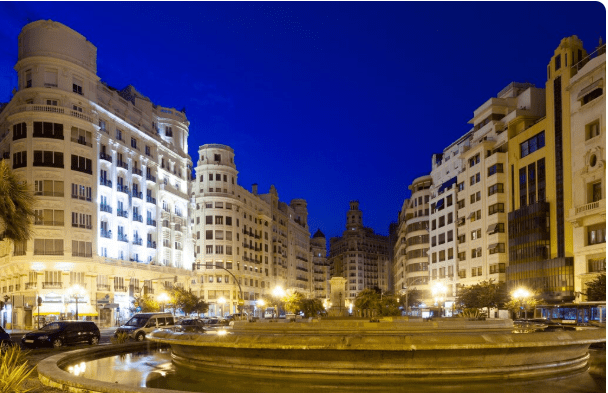
Elegance has always been expected in Paris. Yet, by fusing French romanticism with cutting-edge modernism, boutique hotels have rethought that notion. A stay at Château Voltaire or Hôtel des Grands Boulevards is less like staying in a conventional hotel and more like going to an artist’s townhouse. Through carefully chosen artwork, lighted courtyards, and rich textiles, each space tells a tale. Visitors say the experience is incredibly successful in fostering a feeling of community, with each corner feeling lyrical and intimate.
The Boutique Hotel Boom Redefining Europe’s Oldest Cities
| Category | Details |
|---|---|
| Focus | Expansion of boutique hotels transforming heritage cities across Europe |
| Core Elements | Personalised service, sustainable design, intimate scale, artistic integration |
| Key Destinations | Paris, Rome, Lisbon, Prague, Barcelona, Amsterdam, Vienna |
| Guest Profile | Experience seekers, design lovers, eco-conscious travelers, digital creatives |
| Emerging Concepts | Art-led hotels, hybrid hospitality, rural retreats, AI-enhanced guest personalization |
| Reference | www.cntraveler.com |
The boutique movement in Rome is just as fascinating. Instead of constructing new buildings, hoteliers are renovating noble palazzos and homes from the 16th century. Converted villas in Trastevere have rooms with frescoes and simple furnishings, which provide a classic yet modern look. AI-powered guest systems customize each visit by modifying the lighting, music, and temperature according to past preferences. These hotels are able to provide a level of attentiveness that is both remarkably human and technologically seamless by utilizing advanced analytics.
Lisbon’s comeback in hospitality is proof that individuality can be restored via ingenuity. Warehouses and mansions that were once forgotten are now pulsing with fresh life. Boutique hotels in the city have evolved into cultural ambassadors, designing rooms with handmade craftsmanship, fado-inspired décor, and regional ceramics. These hotels provide visitors with a closer-up look at Portuguese culture while supporting local economies through partnerships with local companies. It’s incredibly effective and emotionally impactful hospitality.
Sentiment, not scale, is what is driving this change. Boutique hotels are successful because they make the most of their modest size. They foster intimacy by having fewer rooms. Every encounter feels personalized, and guests are greeted by name rather than room number. These little things turn the ordinary act of staying into something truly unforgettable, whether it’s a yoga class in Barcelona at dawn or a late-night wine tasting in Prague.
One of the defining characteristics of this renaissance is now gastronomy. Dining in Barcelona has been reimagined as communal storytelling by the Brummell Hotel and Casa Bonay. Chefs collaborate with nearby farmers to develop dishes that creatively and sustainably highlight local foods. Visitors eat in courtyards that were formerly used as workshops for craftspeople and are now scented with grilled fish and rosemary. As a result, dining becomes more deeply ingrained in community than business.
Sustainability is still a very strong motivator. The implementation of eco-friendly measures, such as solar heating, waste reduction systems, and locally produced materials, has significantly improved boutique hotels. Sustainability dashboards that monitor water and energy use in real time are operated by The Laslett in London and The Hoxton in Vienna. These developments are incredibly successful at striking a balance between luxury and environmental preservation. More environmentally conscious tourists take solace in the knowledge that their trip contributes to a greater good.
This trend has taken on a new dimension with the advent of wellness-focused accommodations. These days, boutique hotels in Florence combine spa sanctuaries with Renaissance architecture to create experiences that revitalize the body and the mind. Visitors can practice yoga under centuries-old painted vaulted ceilings or relax in gardens encircled by olive trees. The idea is one of luxury as balance rather than excess, and it feels both decadent and rejuvenating.
Previously a supporting actor, technology today adds to the emotional cadence of hospitality. Boutique hotels can precisely anticipate guests’ demands by including AI-driven concierge services, which may be used to manage preferences, arrange experiences, and even modify the atmosphere of the rooms before customers ask. However, the technology stays understated, letting the warmth of people come through. Instead of concentrating on administrative duties, staff members can engage in meaningful conversations. The service is intimate, leisurely, and extremely explicit in its desire to make each visitor feel important.
A new form of boutique living has been adopted by Berlin and Amsterdam: hybrid hotels that serve as hubs for creativity and co-working. Remote professionals looking for comfort and camaraderie are drawn to these residences. They have transformed into cultural hubs for once tourist-overshadowed districts through clever alliances with neighborhood galleries and cafés. For a generation that prioritizes connection above conformity, it’s hospitality reinvented.
Celebrities are also contributing to this silent revolution. Although Pharrell Williams’s Goodtime Hotel in Miami and Robert De Niro’s Nobu Hotel in Barcelona have different aesthetics, they both adhere to boutique ideals of individuality, creativity, and community. Their impact has inspired hoteliers and designers in Europe to see hospitality as a form of self-expression as well as lodging. As a result, the industry feels far better, fusing technology, art, and emotion to create experiences that stick with customers long after they’ve made a purchase.
Boutique hotels are changing societal narratives in ways that go beyond luxury. They revitalize communities while preserving architectural history. Forgotten courtyards become community gathering places, and abandoned townhouses become centers of culture. Cities like Prague, Vienna, and Lisbon revitalize as a result of these restorations. Because it embraces innovation and celebrates identity, this reinvention is especially helpful for neighborhoods looking for revitalization without erasure.
The boutique boom’s emotional intelligence is what makes it sustainable. These hotels are aware that contemporary tourists are looking for more than simply conveniences; they are looking for purpose. An entire experience might be defined by a thoughtfully planned lobby, a breakfast with a local flair, or a discussion with an enthusiastic concierge. Boutique hotels have transformed hospitality into something immersive and incredibly human by emphasizing authenticity.
